
Competitor ads reveal conversion gaps in discovery campaigns
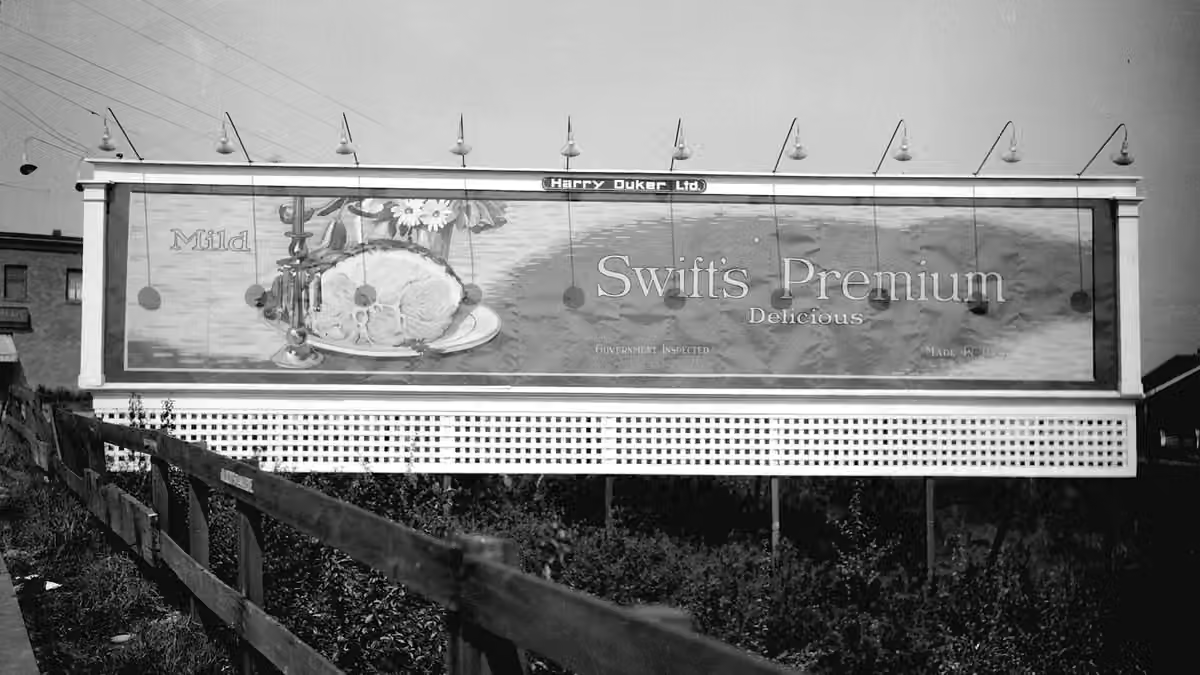
Competitor ads reveal conversion gaps in discovery campaigns
What does a competitor ad tell us about where a discovery campaign loses people? It usually points to the gap between attention and action, and that is where many campaigns get thin.
Discovery campaigns sit near the start of the path. They are meant to surface new demand, new themes, and new search terms. They often catch people before intent is fully formed, which means the ad, the landing page, and the offer have to do a little more work.
That is why competitor ads matter. They do not show exact results. They do not show private numbers. But they do show what other advertisers are repeating, what messages they keep testing, and where they seem to be pushing hard.
What a competitor ad can reveal
A competitor ad is a public clue, not proof. It can show the promise being used, the audience being aimed at, and the kind of next step the advertiser wants.
If several rivals keep using the same angle, that usually means the market has learned something. They may be leaning on price, proof, speed, ease, or a very narrow use case. If they avoid a certain objection, that absence is worth noticing too.
That is the first useful lesson. Weak discovery campaigns often lose people because the message is broad, but the path is vague. The ad may win the click, then the page asks for too much trust too soon.
I have always trusted plain clues more than polished claims. A neat ad can still hide a messy path. The real question is whether the ad and the page agree on the same promise.
Where conversion gaps tend to appear
A conversion gap is the space between what the ad suggests and what the page proves. In discovery, that gap often shows up in a few common places.
The first is message mismatch. The ad promises one thing, but the landing page shifts to something wider or colder. A person who clicked for a specific benefit lands in a page that talks around it.
The second is missing proof. Discovery traffic is often unfamiliar traffic. If the page has no clear evidence, no plain explanation, or no visible next step, people leave before they act.
The third is the wrong offer. Some ads pull in people who are curious, not ready. If the page asks for a heavy commitment too early, the campaign can look busy without producing much.
The fourth is weak intent sorting. Competitor ads can hint at this. If rivals separate use cases, product types, or audience types, they may be doing one thing discovery campaigns often miss. They are dividing broad interest into smaller, cleaner paths.
A small example
Imagine three competitors all show ads for the same service. One ad leans on speed. One leans on pricing. One leans on expert help.
If your discovery campaign uses a generic headline like “Better service for everyone,” the gap appears fast. The ad is broad, but none of the market signals are visible. A person who wanted speed may not feel understood. A person who wanted proof may not see it.
Now compare that with a discovery ad that says, in plain terms, “Fast setup for teams that need to start this week.” That is still a test, not a promise of success. But it closes one gap. It gives the page a sharper job.
The page can then support that same idea with simple proof, a clear form, and one next step. The point is not to copy the rival. The point is to see where the rival’s message suggests a missing piece in your own path.
How to read the ads without fooling yourself
This work needs a cool head. Visible ads are only part of the picture. A long-running ad may be working, or it may simply still be running because someone forgot it. A flashy new ad may be a test, not a winner.
So the safer habit is to look for patterns. Repeated wording matters more than one odd ad. A stable offer matters more than a single creative. The question is not “What are they doing?” The better question is “What problem are they solving over and over?”
That keeps the analysis honest. It also keeps the team from turning competitor ads into theater. The goal is not imitation. The goal is to spot where your own discovery path is too loose, too vague, or too demanding.
What to check next
A practical check starts with three simple things.
First, compare the ad promise with the landing page headline. If they do not match closely, the path may be leaking attention.
Second, look for the proof that a new visitor needs. That may be a clear explanation, a sample, a short testimonial, a feature list, or a direct answer to a common doubt.
Third, trace the next step. If the page asks for too much too soon, the discovery campaign may be collecting clicks instead of progress.
That is the quiet value of competitor ads. They can reveal where the market has already done some of the guessing for you. They also reveal where your own campaign is asking people to bridge a gap on faith alone.
A reader who understands this can now see discovery campaigns in a new way. They are not only about reach. They are about whether the first promise, the first page, and the first action fit together without friction.
The Traffic Blueprint is built on that same plain lesson: one durable search or content idea, one practical check, and one clear warning not to chase noise.